





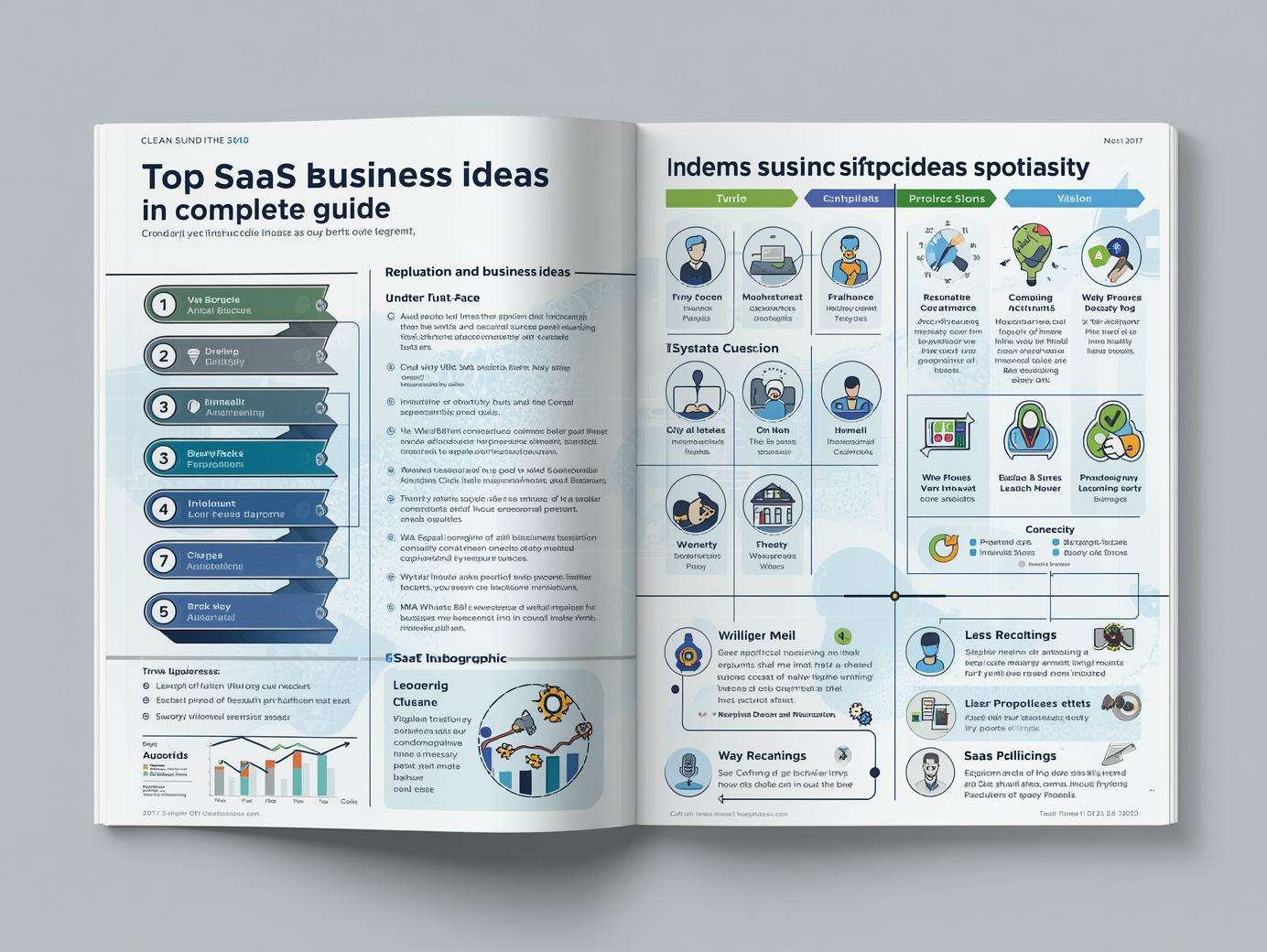
Software as a Service (SaaS) is one of the most powerful business models in the digital economy. With recurring revenue, global scalability, and low marginal costs, SaaS startups have the potential to grow faster than traditional businesses. But success depends on choosing the right idea and executing it strategically. This guide explores top SaaS business ideas along with real-world execution strategies, validation frameworks, monetization models, and scaling systems.
Why SaaS is One of the Best Business Models Today
Before exploring ideas, it’s important to understand why SaaS dominates modern entrepreneurship.
Key Advantages of SaaS Businesses
- Recurring monthly or annual revenue
- High scalability with minimal incremental cost
- Global market access
- Easier automation and systemization
SaaS + Growth Systems
SaaS success is not just about product—it’s about systems. This concept is explained in Tools Startup Growth Strategy where tools, automation, and growth frameworks are structured.
What Makes a Successful SaaS Idea?
Not every SaaS idea works. The best ones share common characteristics.
Core Success Factors
- Solves a real, painful problem
- Targets a specific niche
- Has recurring usage
- Can be automated
- Scalable with minimal support
Categories of Top SaaS Business Ideas
Instead of random ideas, it’s better to explore structured categories.
1. Marketing Automation SaaS
Marketing is a continuous need for businesses.
Idea Examples
Email Marketing Automation Platform
Helps businesses automate email campaigns.
Social Media Scheduling Tool
Schedule and analyze posts across platforms.
SEO Optimization Tool
Keyword research, ranking tracking, and site audits.
To understand SEO systems deeply, this is explained in Guide Technical SEO.
Why This Works
- High demand
- Recurring usage
- Businesses rely heavily on marketing
2. AI-Powered SaaS Ideas
AI is transforming every industry.
Idea Examples
AI Content Generator
Generate blog posts, ads, and emails.
AI Chatbot Platform
Automate customer support.
AI Analytics Dashboard
Provide business insights automatically.
Strategic Insight
AI SaaS products often scale faster due to strong demand.
3. Business Operations SaaS
Companies need tools to manage operations.
Idea Examples
CRM for Small Businesses
Simplified customer management system.
Project Management Tool
Task tracking and team collaboration.
Invoice & Billing Software
Automate payments and financial tracking.
Automation Angle
A deeper explanation of automation systems is covered in Marketing Automation Tools for Business.
4. Niche SaaS (Micro-SaaS)
Small, targeted tools for specific industries.
Idea Examples
- SaaS for dentists
- SaaS for gyms
- SaaS for real estate agents
Why Micro-SaaS Works
- Lower competition
- Highly targeted users
- Easier to market
5. E-commerce SaaS Tools
Online businesses need specialized tools.
Idea Examples
Inventory Management Software
Track stock and orders.
Product Recommendation Engine
Increase sales using AI.
Shopify App SaaS
Plugins for e-commerce stores.
6. Education (EdTech) SaaS
Learning platforms are growing rapidly.
Idea Examples
Online Course Platform
Create and sell courses.
Skill-Based Learning App
Focused training (coding, marketing).
Certification Platform
Offer accredited programs.
7. Finance & FinTech SaaS
Financial tools are always in demand.
Idea Examples
Budgeting App
Personal finance management.
Investment Tracking Tool
Monitor portfolios.
Subscription Management SaaS
Track recurring expenses.
8. Remote Work SaaS Tools
Remote work is now standard.
Idea Examples
Team Collaboration Platform
Communication and file sharing.
Time Tracking Software
Monitor productivity.
Virtual Workspace Tool
Manage remote teams.
9. Developer Tools SaaS
Developers need tools to build faster.
Idea Examples
API Monitoring Tool
Track API performance.
Code Collaboration Platform
Improve team development workflows.
Testing Automation Tool
Automate QA processes.
10. Content & Creator SaaS
Creators need tools to scale content.
Idea Examples
Content Planning Tool
Manage content calendars.
Video Editing SaaS
Online video creation platform.
Analytics Tool for Creators
Track performance and engagement.
Content + Growth Systems
To understand content-driven growth, another version is covered in Tips Growth Marketing.
How to Validate Your SaaS Idea
Step 1: Identify Problem
Talk to potential users.
Step 2: Analyze Market
Study competitors.
Step 3: Build MVP
Create a simple version.
Step 4: Get Feedback
Launch beta version.
Step 5: Iterate
Improve based on user data.
Tools to Build a SaaS Product
Development Tools
No-Code Tools
Marketing Tools
SaaS Monetization Models
Subscription Model
Monthly or yearly payments.
Freemium Model
Free basic version + paid upgrades.
Usage-Based Pricing
Pay based on usage.
Tiered Pricing
Different plans for different needs.
LSI Keywords for SEO Optimization
This article includes:
- SaaS startup ideas
- profitable SaaS ideas
- software business ideas
- SaaS product ideas
- startup SaaS concepts
- scalable SaaS business
Common Mistakes to Avoid
Building Without Validation
Always test first.
Targeting Too Broad Audience
Focus on niche markets.
Ignoring UX
User experience is critical.
Scaling Too Early
Validate before scaling.
Advanced SaaS Strategies
Product-Led Growth
Let the product drive user acquisition.
Growth Loops
Users bring more users.
Automation Systems
Scale without increasing cost.
Real Example: SaaS Startup Execution
Step 1: Idea
CRM for freelancers.
Step 2: MVP
Basic dashboard and contact tracking.
Step 3: Launch
Get early users.
Step 4: Improve
Add automation features.
Step 5: Scale
Use marketing and partnerships.
Future of SaaS Business
- AI-first SaaS
- No-code SaaS
- Vertical SaaS
- Automation-driven platforms
Final Thoughts
Choosing the right top SaaS business ideas is the first step—but execution determines success.
Focus on:
- Solving real problems
- Building scalable systems
- Validating early
- Using tools effectively
SaaS is not just a business—it’s a system for long-term growth.
Read More:
Tools Startup Growth Strategy
Marketing Automation Tools for Business
Guide Technical SEO


Saizul Amin is a digital growth strategist and SEO consultant specialising in search engine optimisation, web development, AI-powered automation, and online income systems. With 8 years of hands-on experience helping businesses and individual creators grow their online presence, Saizul combines technical expertise with practical, results-driven strategy.
Experience & Background
Saizul started his digital career in 2017, initially working with Bioscope Limited to build and optimise websites for organic search traffic. Over the years, he has worked across industries including DGHS, NAVANA, UNICampus, UNIPathways, UniqueMark, developing a deep understanding of what it takes to rank, convert, and grow sustainably online.
His work spans the full digital stack — from technical SEO audits and content strategy to WordPress development, marketing automation, and AI tool integration for small businesses and startups.
What He Covers on This Blog
Every article on SaizulAmin.com is written from direct experience. Saizul does not publish theoretical content — every guide, tool recommendation, and strategy shared here has been tested and applied in real projects. Topics include:
- Search engine optimisation (on-page, technical, and content SEO)
- Digital marketing strategy and growth systems
- AI tools and automation for business productivity
- Web development, WordPress, and website building
- Making money online through freelancing and affiliate marketing
Why Trust This Content
All recommendations on this site reflect tools and strategies Saizul actively uses or has personally evaluated. Where affiliate relationships exist, they are clearly disclosed. Content is regularly reviewed and updated to reflect current best practices and algorithm changes.


